Author: John

Variability Among Individuals
The difficulty of performing a root canal can vary significantly among individuals due to anatomical differences. Factors such as the shape and curvature of the root canals influence how challenging the procedure may be. Some patients may have highly intricate canal systems that complicate access. Dentists must evaluate each case carefully, as standard procedures may not suffice for those with unusual dental structures.
Additionally, patient anxiety and comfort levels contribute to the overall experience during root canal treatment. Root Canal Treatment in Washington showcases the variety of approaches dentists take to accommodate individual needs. Each patient’s unique reactions to anesthesia and pain can further impact the treatment’s complexity. By acknowledging these variances, dental professionals can adapt their techniques accordingly.
Genetics and Root Canal Complexity
Genetics play a significant role in the complexity of root canal procedures. Variations in tooth anatomy, such as the number of root canals and their curvature, can differ among individuals due to genetic factors. Some patients may have highly intricate root systems that challenge even the most experienced dentists. This genetic variability can complicate the diagnosis and treatment planning for root canal therapy.
In regions like Washington, where advanced dental practices are prevalent, dentists often rely on sophisticated imaging techniques to assess the unique structure of a patient’s teeth. Understanding these genetic variables not only helps in predicting the difficulty of root canal treatment but also influences the overall success of the procedure. Customizing approaches based on each patient’s anatomy aids in minimizing discomfort and improving outcomes during root canal treatment in Washington.
Tools and Techniques Used by Dentists
Dentists rely on a variety of specialized tools and techniques to perform root canals effectively. High-powered magnification tools, such as dental loops and microscopes, allow for better visualization of the complex root canal system. Precision instruments are used to clean and shape the canals, while irrigating solutions help in disinfecting the area. The combination of these tools enhances the ability of dentists to treat teeth, especially those with intricate anatomy.
In locations like Washington, advances in endodontic technology have significantly improved the standards of treatment. Electronically controlled rotary instruments enable more efficient cleaning and shaping of canals. Additionally, 3D imaging techniques provide a clearer understanding of a tooth’s structure prior to treatment. Such innovations ensure that patients receive a higher quality of care during their root canal treatment in Washington, addressing both efficiency and comfort.
Advances in Endodontic Technology
Recent advancements in endodontic technology have transformed the field of root canal therapy, enhancing both efficiency and patient comfort. Innovations such as 3D cone beam computed tomography allow for precise imaging of tooth morphology, revealing complexities that traditional X-rays may miss. This technology helps dentists identify the specific anatomy of challenging roots, improving the chances for successful treatment. Moreover, the use of advanced rotary instrumentation reduces the time spent during procedures while also minimizing the risk of procedural mishaps.
Incorporating techniques like laser-assisted endodontics has further refined the process. Lasers can disinfect the canal system more effectively than conventional methods, promoting healing and reducing the likelihood of complications. Dentists providing Root Canal Treatment in Washington are often equipped with these state-of-the-art tools, allowing them to offer a higher standard of care. Enhanced anesthesia techniques also contribute to a more comfortable experience, addressing one of the primary concerns patients face regarding root canal procedures.
Patient Experience During Treatment
The experience of patients during root canal treatment can vary significantly depending on individual circumstances and the complexity of the procedure. Anxiety about dental work is common, and many patients express concerns over pain during treatment. Dentists often prioritize patient comfort by employing various techniques to help ease anxiety and physical discomfort. Familiarity with the procedure and open communication can also help patients feel more at ease.
Root Canal Treatment in Washington is performed using modern techniques aimed at minimizing discomfort. Anesthesia plays a crucial role in pain management, ensuring that patients do not experience pain during the procedure. Some clinics also offer options like sedation dentistry, which can help patients relax further. All these measures contribute to a more positive patient experience, helping to dispel fears associated with dental procedures.
Anesthesia and Pain Management
Pain management during root canal treatment is crucial for patient comfort. Dentists typically use local anesthesia to numb the affected area, ensuring that patients do not feel pain during the procedure. The method of administration may vary, but injections are the most common approach. Patients often report feeling little to no discomfort as the anesthesia takes effect, allowing the dentist to perform the necessary work on the tooth.
In addition to local anesthesia, various medications can help manage anxiety and discomfort associated with dental procedures. Sedatives may also be offered to patients who experience high levels of stress. It’s essential for patients seeking root canal treatment in Washington to communicate their pain tolerance and anxiety levels with their dentist. This collaborative approach ensures a more comfortable experience throughout the treatment process.
FAQS
What is the hardest tooth to get a root canal on?
Typically, the hardest tooth to get a root canal on is the maxillary molar, due to its complex root canal system and variability in anatomy.
Why are maxillary molars challenging for root canals?
Maxillary molars often have multiple roots and canals, which can vary greatly in size and shape, making treatment more complicated.
How do genetics influence the complexity of root canal procedures?
Genetic factors can affect tooth anatomy, including the number of canals and their configuration, which may make some teeth more difficult to treat than others.
What advances in endodontic technology help with root canal procedures?
Advances such as 3D imaging, enhanced instruments, and improved irrigation techniques have significantly increased the success rate and efficiency of root canal treatments.
How is patient pain managed during a root canal?
Dentists typically use local anesthesia to numb the area and may also offer sedation options to help manage anxiety and discomfort during the procedure.




The Role of Dental Professionals
Dental professionals play a critical role in ensuring safe and effective teeth whitening treatments. They possess the expertise and training to evaluate individual dental conditions before recommending procedures. This evaluation helps identify any underlying issues that may affect the whitening process. Many people looking for options often search for “teeth whitening near me,” hoping to find qualified dentists who can facilitate their desire for a brighter smile.
A dental office offers a controlled environment to perform teeth whitening with advanced techniques and products. These professionals use stronger whitening agents that deliver results more quickly than over-the-counter alternatives. Additionally, they often provide personalized care by tailoring treatments to each patient’s unique needs. This attention to detail not only enhances the effectiveness of the treatment but also ensures the overall health of the patient’s teeth and gums.
How Dentists Ensure Safety and Effectiveness
Dental professionals play a crucial role in ensuring the safety and effectiveness of teeth whitening treatments. They begin with a comprehensive assessment of the patient’s dental health, identifying any existing issues such as cavities or gum disease that could complicate the whitening process. By doing so, dentists can tailor treatments to individual needs while also minimizing risks associated with over-bleaching or sensitivity. Patients searching for “Teeth Whitening near me” should always prioritize those who offer consultations to discuss specific concerns.
To further enhance safety, dentists use products that are both effective and regulated. Professional-grade whitening agents are applied under controlled conditions, ensuring that the concentration is appropriate for each patient’s enamel type. Dental professionals also closely monitor the process to avoid potential side effects and adjust treatment as necessary. This personalized approach not only improves results but also helps maintain oral health throughout the whitening journey.
Maintenance After Whitening Treatment
After undergoing professional teeth whitening, maintaining that bright smile requires a dedicated oral care routine. Regular brushing and flossing help prevent the buildup of stains caused by foods and beverages. It is also advisable to use whitening toothpaste to keep the brightness intact. Scheduling routine dental cleanings can support the longevity of the treatment and address any issues before they become more significant.
Patients often wonder how long their whitening results will last. The duration can significantly depend on lifestyle factors. Consuming staining substances like coffee, red wine, and certain fruits can diminish the results. For those looking to sustain their bright smile, searching for “Teeth Whitening near me” can connect them with local professionals for follow-up treatments or touch-ups as needed.
Tips for Prolonging Results
Maintaining the brightness of your newly whitened teeth requires some careful attention to your dietary and oral hygiene habits. Avoiding foods and beverages that can stain teeth, such as coffee, red wine, and dark-colored berries, can help preserve the results. Using a straw for drinks or rinsing your mouth with water after consuming such items can also reduce their impact. Regular brushing and flossing play an essential role in keeping your teeth clean and free from plaque, which can dull their appearance over time.
Scheduling follow-up visits with your dentist can be beneficial for ensuring that your whitening results last. Dental professionals often provide tailored advice based on individual needs and may suggest touch-up treatments if necessary. For those looking to maintain their smile, searching for “Teeth Whitening near me” can help locate nearby dental practices that offer ongoing support and services to keep your smile looking its best.
Who Should Consider Professional Whitening?
Individuals with yellow or stained teeth often find themselves contemplating professional whitening treatments. Factors such as aging, dietary habits, and certain medications can contribute to tooth discoloration. Those seeking a dramatic change or a quick boost in confidence may benefit from the expertise of a dental professional. Searching for options online with terms like “Teeth Whitening near me” can yield valuable local providers.
People with specific dental concerns should also consider their options carefully. Conditions like sensitive teeth or gum disease may require tailored approaches to whitening. Consulting with a dentist can determine if a professional treatment is suitable. This ensures that individuals not only achieve their desired results but do so without compromising their oral health.
Ideal Candidates for the Treatment
Professional teeth whitening is ideal for individuals who seek a brighter smile and have discoloration due to various factors, such as aging, consumption of certain foods and beverages, or tobacco use. Those with good oral health, free from cavities and gum disease, will typically benefit most from the treatment. Consulting with a dental professional before undergoing whitening can help determine if this option is suitable based on individual circumstances and oral health needs.
People with specific dental conditions may need to consider alternative whitening methods. For instance, those with sensitive teeth or restorations like crowns and veneers may require specialized treatments. Exploring local options can be helpful; searching for “Teeth Whitening near me” will provide a list of professionals who can assess suitability and offer tailored solutions for achieving a whiter smile.
FAQS
What is the main benefit of getting my teeth professionally whitened?
The main benefit of professional whitening is the noticeable enhancement in the brightness of your smile, which can boost your confidence and improve your overall appearance.
How long do the results of professional teeth whitening last?
The results can last from several months to a couple of years, depending on factors such as your oral hygiene habits, diet, and lifestyle choices.
Are there any risks associated with professional teeth whitening?
While professional whitening is generally safe, some individuals may experience temporary tooth sensitivity or gum irritation. It’s important to consult with your dentist to evaluate your specific situation.
Can everyone get their teeth professionally whitened?
Not everyone is a suitable candidate for professional whitening. Individuals with certain dental conditions, such as severe cavities or gum disease, should consult with their dentist before undergoing treatment.
How can I maintain my teeth whitening results after treatment?
To prolong your whitening results, practice good oral hygiene, avoid foods and drinks that stain teeth (like coffee, tea, and red wine), and consider touch-up treatments as recommended by your dentist.


Importance of Seeking Dental Care
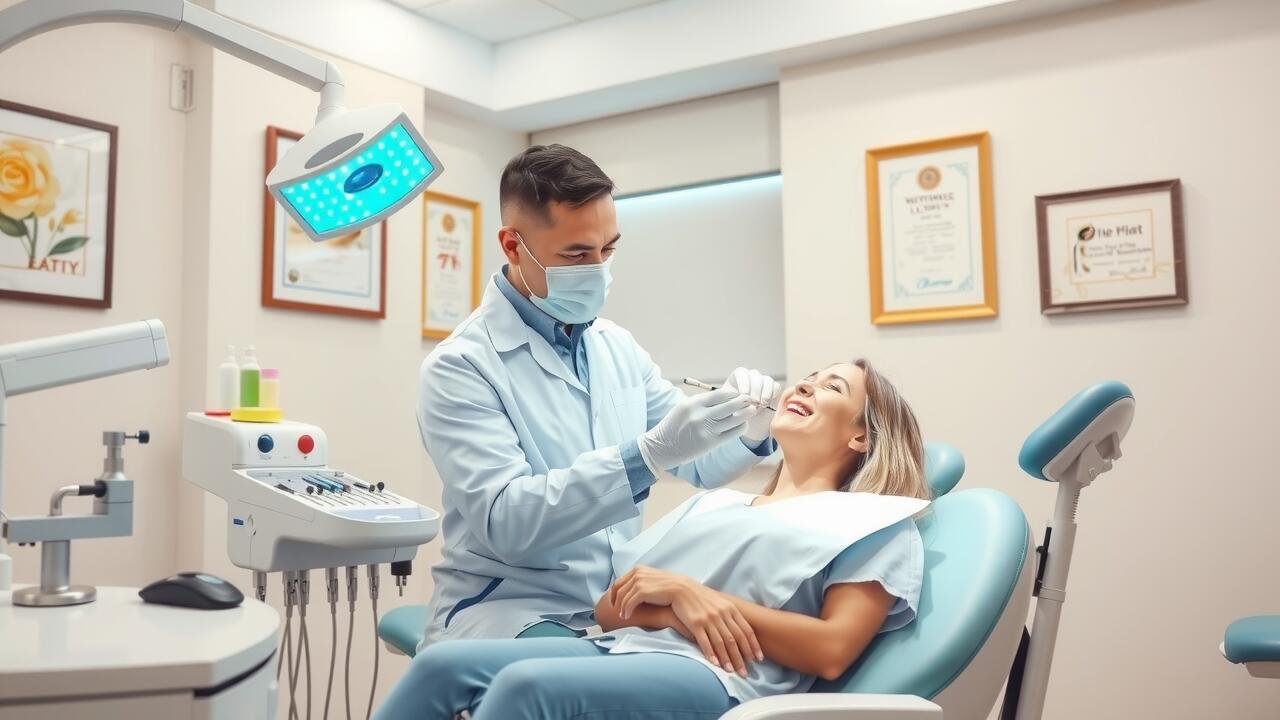
Maintaining optimal dental health is crucial for overall well-being. Neglecting oral issues can lead to more severe complications, increasing the need for extensive treatments. Seeking timely care, especially for conditions like tooth decay or infection, helps prevent unnecessary pain or further damage. In places like Kent, Washington, access to dental services offers residents the chance to address these concerns promptly.
Root Canal Treatment in Kent, Washington, illustrates the importance of proactive dental care. Patients experiencing tooth pain may be hesitant to seek help, but early intervention can significantly alleviate discomfort and preserve natural teeth. Regular check-ups and consultations not only catch problems early but also educate patients about maintaining their dental hygiene.
Risks of Delaying a Root Canal
Delaying a root canal can lead to severe complications that extend beyond just discomfort. Untreated infections can spread to surrounding teeth and even into the jawbone, resulting in more complex dental issues and requiring more extensive procedures. Pain levels can also escalate as the condition worsens, making it increasingly difficult to manage daily tasks or enjoy meals.
Patients seeking Root Canal Treatment in Auburn, Washington, may find that postponing treatment can result in higher costs down the line. Emergency visits may become necessary for worsening pain or infections. Additional procedures such as extractions, crowns, or even surgeries can incur significant expenses that could have been avoided with timely treatment. Addressing the issue promptly not only preserves the tooth but also keeps overall dental expenses manageable.
Cost Variations by Tooth Type
The type of tooth requiring treatment plays a significant role in determining the overall cost of a root canal. Anterior teeth, which include incisors and canines, are generally less complex to treat compared to molars. As a result, the fees for root canal treatment on anterior teeth are typically lower. In many cases, the cost of treatment for these teeth ranges from $300 to $1,500, depending on the specific situation and location of the dental practice.
On the other hand, molars present additional challenges due to their multi-rooted structure, often requiring more time and specialized techniques. This complexity leads to higher costs, which can range from $500 to $2,000 or more. When considering root canal treatment in Washington, patients should be aware of these variations and discuss the specific factors affecting their individual cases with their dentist to get a clearer estimate of expenses.
Anterior vs. Molars
Different types of teeth can significantly influence the overall cost of a root canal. Generally, treating anterior teeth, which include the front teeth, tends to be less expensive than treating molars. Anterior teeth typically have a single root and fewer canals to manage during the procedure. The simplicity of the treatment often makes it straightforward and less time-consuming, which can ultimately lower the cost.
In contrast, molars, located at the back of the mouth, are usually more complex. They often possess multiple roots and canals, requiring more time and expertise to navigate effectively. This complexity often results in higher fees for root canal procedures. For those seeking root canal treatment in Washington, understanding these differences in tooth type can provide valuable insight into potential expenses and help in planning for dental care accordingly.
Additional Costs to Consider
When planning for the expenses associated with a root canal, it’s crucial to consider additional costs that can arise. Following the procedure, patients may need some follow-up treatments, including the placement of a crown to protect the tooth. Crowns vary in material and price, which can add significantly to the overall expenditure. X-rays taken before and after the procedure may also incur extra costs, ensuring that the treatment was successful and that the tooth is healing properly.
Patients seeking Root Canal Treatment in Washington should be aware of the potential for unforeseen charges. If complications arise during the procedure, more extensive treatments or additional anesthesia might be required. Pain management medication is another possible expense that could emerge following the root canal, as discomfort can vary from patient to patient. These factors all contribute to the total cost, and it’s essential to discuss these potential charges with your dental provider upfront.
Follow-Up Treatments and X-Rays
After a root canal treatment in Washington, patients may require follow-up visits to monitor healing and ensure the infection is fully resolved. These appointments allow the dentist to assess the progress and make any necessary adjustments. Additional diagnostic tools may be recommended, such as X-rays, to provide a clearer view of the root canal area and verify that the treatment has been successful.
Patients should also be aware that the cost of follow-up treatments and X-rays can vary greatly. While the initial root canal procedure may seem costly, these additional expenses can accumulate, especially if multiple follow-ups are needed. Understanding these potential costs is crucial for planning and budgeting effectively after undergoing root canal treatment in Washington.
FAQS
How much does a root canal typically cost without dental insurance?
The cost of a root canal can range from $700 to $1,500 or more, depending on the tooth type and the complexity of the procedure.
Are there different costs for root canals depending on the type of tooth?
Yes, the cost varies by tooth type. Anterior (front) teeth generally cost less, averaging around $700, while molars can cost between $1,000 and $1,500 due to their complexity.
What additional costs should I consider when budgeting for a root canal?
In addition to the root canal itself, you should factor in costs for follow-up treatments, X-rays, anesthesia, and any necessary crowns to restore the tooth afterward.
Does the location of the dental office affect the cost of a root canal?
Yes, dental care costs can vary significantly based on geographic location and the dental practice’s pricing policies, with urban areas typically having higher costs.
Are there financing options available for dental procedures like root canals?
Many dental offices offer financing plans or payment options to help patients manage the costs of procedures like root canals, making them more accessible even without insurance.


Dental Insurance Coverage
Many dental insurance plans offer coverage for root canal treatment. This can significantly reduce out-of-pocket expenses for patients who need this procedure. Coverage typically depends on the specifics of the insurance plan, including deductibles, co-pays, and annual maximums. It’s crucial for patients to review their policy details to understand what costs will be covered and any limitations that may apply.
Patients looking for affordable options often start by searching for “Root Canal Treatment near me” to find local providers. Some dental offices may accept multiple insurance plans or offer payment plans to accommodate those without sufficient coverage. Understanding the nuances of insurance can help patients make informed choices about their care while managing costs effectively.
How Insurance Can Affect Your Costs
Dental insurance plays a significant role in determining the out-of-pocket costs associated with a root canal treatment. Most insurance plans cover a portion of the procedure, which can significantly reduce the overall expense for patients. It’s essential to review the specifics of your policy, as coverage may vary based on factors such as the type of plan and the provider’s network. Understanding your co-payments, deductibles, and maximum coverage limits is crucial for budgeting purposes.
If you don’t have insurance, the financial burden of a root canal may seem daunting. However, many dental offices offer financing options and payment plans to accommodate patients with limited means. Searching for “Root Canal Treatment near me” can also help locate clinics that provide flexible payment arrangements or discount programs, making the procedure more accessible and manageable for those in need.
Alternative Treatments
When faced with the prospect of a root canal but unable to afford it, exploring alternative treatments becomes essential. Some people may consider procedures like pulp capping, which involves sealing the pulp to preserve the tooth. This treatment can be effective for certain types of tooth decay, potentially delaying the need for more invasive procedures like a root canal. It’s important to discuss these options with your dentist to determine their viability based on the severity of your condition.
Additionally, there are options like extraction, where the affected tooth is removed if it cannot be saved. While this might seem drastic, it can sometimes be more cost-effective than a root canal, especially if there are no surrounding teeth or if the tooth is not essential for chewing. To find local resources, searching for “Root Canal Treatment near me” might yield unexpected solutions, including community health programs offering lower-cost dental care.
Exploring Other Dental Procedures Available
If a root canal is beyond your financial reach, there are other dental procedures that might be suitable for your situation. One option is a dental filling, which can be used to treat less severe decay or damage. This procedure is often quicker and more affordable than a root canal, addressing issues in a way that preserves the tooth’s structure. However, it’s essential to consult with your dentist about the extent of damage to determine if a filling is a viable option.
Another possibility is extraction, particularly if the tooth is beyond repair. While this may not be the preferred choice, it serves as a last resort for irreparable teeth. After extraction, your dentist can discuss replacement options like bridges or dentures, which could help maintain your oral health and function. For those searching for options, a quick internet search for “Root Canal Treatment near me” might reveal additional resources for both affordable treatment and further guidance on available dental procedures.
Low-Cost Dental Clinics
Low-cost dental clinics provide an accessible option for individuals struggling to afford essential dental care. Many of these facilities are equipped to offer services at reduced rates due to partnerships with community organizations or government programs. Patients often find that they can receive high-quality care without the burden of hefty fees, making it easier to address dental issues promptly.
Searching online for “Root Canal Treatment near me” can yield a variety of low-cost clinics in your area. These clinics often post information about their services and pricing on their websites, allowing patients to compare options. Some facilities might even offer sliding scale fees based on income, further easing the financial strain associated with necessary procedures like root canals.
Finding Affordable Dental Services
When facing the prospect of needing a root canal, financial constraints can feel overwhelming. Many communities offer low-cost dental clinics that provide essential services for individuals on a budget. These clinics often operate on a sliding scale based on income, allowing patients to receive care without the burden of high costs. Searching online for “Root Canal Treatment near me” can bring up several options, including local community health centers and dental schools where services might be less expensive.
In addition to clinics, some dental professionals offer payment plans or financing options to make treatment more manageable. Patients should not hesitate to inquire about potential discounts or special programs that might be available. Utilizing resources such as dental discount plans may also provide significant savings on various procedures. As you explore your options, prioritizing accessibility and affordability can lead to successful treatment while alleviating financial stress.
FAQS
What are my options if I can’t afford a root canal?
If you can’t afford a root canal, you can explore alternative treatments, seek assistance from low-cost dental clinics, or discuss payment plans with your dentist.
Will dental insurance cover a root canal?
Many dental insurance plans do provide coverage for root canal treatments, but the extent of coverage can vary. It’s best to check with your insurance provider for specific details regarding your plan.
What alternative treatments are available if I can’t get a root canal?
Alternatives to root canal treatment may include tooth extraction or, in some cases, palliative treatments to manage pain. However, it’s important to consult with a dentist to discuss the best course of action for your situation.
How can I find low-cost dental clinics?
You can find low-cost dental clinics by searching online for community health centers, dental schools, or local health departments that may offer reduced-cost services based on income.
What should I do if I experience pain but can’t afford treatment?
If you’re experiencing pain and can’t afford treatment, consider contacting a local dental clinic or health center that may offer emergency care or sliding-scale fees to accommodate your financial situation.
Alternate Payment Options
Many dental practices offer various alternate payment options for patients needing procedures like root canals. These options may include payment plans that allow patients to spread the cost over several months, reducing the financial burden. Some clinics team up with third-party financing companies to provide more flexible arrangements. Utilizing such plans can help ensure that finances do not deter individuals from receiving essential dental care.
Another viable payment option is the use of healthcare credit cards which can cover expenses immediately and allow patients to pay off the balance over time. Some dentists may also offer in-house financing, which can simplify the process for those seeking root canal treatment Auburn, Washington. Understanding these options can empower patients to make informed decisions about their dental health.
Financing Plans and Payment Plans
Many dental practices offer financing plans to help patients manage the costs associated with procedures like root canals. These plans often allow for installment payments over time, making it easier for individuals to budget for care without significant financial strain. With options tailored to various financial situations, patients can find a payment method that suits their needs while ensuring they receive necessary treatments promptly.
For those seeking root canal treatment in Kent, Washington, various dental offices may provide specific payment plans. These plans can include low-interest financing through third-party lenders, which allows patients to spread out their payments without incurring hefty fees. By exploring these options, individuals can make informed decisions regarding their dental health and ensure they have access to essential treatments without immediate financial burden.
Importance of Preventive Care
Preventive care plays a crucial role in maintaining oral health and reducing the likelihood of requiring more invasive procedures such as root canals. Regular dental check-ups enable dentists to identify and address potential issues before they escalate. By staying proactive about dental health, patients can save on future treatments and enhance their overall well-being.
In areas like Auburn, Washington, patients have access to various resources that emphasize the importance of routine dental visits. Consistent care can help catch cavities early, treat gum disease, and prevent situations that could lead to root canal treatment. By prioritizing preventive measures, individuals can minimize discomfort and expenses tied to dental emergencies.
How Regular Check-ups Can Minimize Root Canal Needs
Regular dental check-ups play a crucial role in oral health. These visits allow dentists to identify potential issues before they escalate. By detecting cavities, infections, or gum disease early, the likelihood of requiring more invasive procedures, such as root canals, decreases significantly. Patients who prioritize these appointments often experience fewer dental emergencies and less extensive treatment needs.
Root Canal Treatment Auburn, Washington, highlights the importance of proactive care. Many residents experience improved dental outcomes through routine examinations and cleanings. By investing time in preventive measures, individuals can save on future health costs and maintain healthier smiles. Staying ahead of oral health issues can reduce the chances of extensive treatments later on.
Understanding Exclusions in Policies
Understanding the exclusions in dental insurance policies is crucial for patients considering procedures like root canals. Many plans have specific limitations regarding coverage for certain procedures, and this can vary widely between providers. For example, some policies may not cover root canal treatments if they are categorized as elective or non-emergency services. Patients in need of root canal treatment in Seattle, Washington, should review their plan details thoroughly to avoid unexpected out-of-pocket expenses.
Common limitations on root canal coverage often include waiting periods, annual maximums, and exclusions for pre-existing conditions. This means that even if a patient has dental insurance, they may still face significant costs depending on the specific terms of their policy. It is advisable to consult with the insurance provider directly or seek assistance from dental professionals familiar with the intricacies of coverage. Understanding these factors can ensure that patients are well-informed before proceeding with root canal treatments in Seattle, Washington.
Common Limitations on Root Canal Coverage
Many dental insurance policies are structured with specific exclusions and limitations that affect coverage for procedures like root canals. Often, plans may require that the procedure be deemed medically necessary, which could lead to unexpected out-of-pocket costs if the insurance company deems it elective or preventable. There might also be caps on the total amount that can be spent on endodontic treatments within a policy year, limiting financial assistance for those needing multiple procedures.
In some cases, certain pre-existing conditions or treatments performed in the past can also impact coverage eligibility. If a patient has had previous issues with the tooth in question or has not maintained consistent dental visits, the insurance provider may refuse coverage for the root canal. Residents seeking assistance with expensive dental procedures will benefit from understanding these nuances, especially when looking for services such as root canal treatment in Auburn, Washington.
FAQS
Does dental insurance typically cover root canals?
Yes, many dental insurance plans offer coverage for root canals, but the extent of coverage can vary by provider and specific policy.
Are there any dental plans that do not cover root canals at all?
Yes, some basic dental plans may not cover root canals or may have significant exclusions, so it’s important to review your policy details.
What should I do if my insurance doesn’t cover root canal treatment?
If your insurance does not cover root canal treatment, you can explore alternative payment options, such as financing plans or payment plans offered by dental offices.
How can I find out if my insurance covers root canal procedures?
You can find out if your insurance covers root canal procedures by contacting your insurance provider directly or by checking the benefits summary included in your policy documents.
Are there usually waiting periods before root canal coverage begins?
Yes, many dental insurance policies have waiting periods for major procedures, including root canals, so it’s best to check with your insurer about any applicable waiting periods.

Discounts and Promotions
Many dental offices in Seattle, Washington, offer seasonal discounts and promotions for teeth whitening services. These offers can vary greatly and may include a percentage off the total cost or bundled packages that combine teeth whitening with other cosmetic procedures. Keeping an eye on local dental clinics’ websites and social media pages can help potential customers discover these deals.
Additionally, many dental insurance plans cover a portion of certain cosmetic treatments. Patients should verify coverage details with their insurers to determine if they can offset some costs associated with teeth whitening. Special events or community health drives might also provide opportunities for reduced rates, making it worthwhile to stay informed about local happenings related to dental care.
Finding Deals on Teeth Whitening
Many dental clinics offer special promotions and discounts for teeth whitening services to attract new customers. These deals can significantly lower the cost, making it more accessible for individuals seeking a brighter smile. Local check-ins, social media promotions, and seasonal offers are common avenues to explore. It’s also beneficial to sign up for newsletters or loyalty programs, as they often provide exclusive access to discounted rates.
When searching for teeth whitening options, it’s helpful to compare prices among different providers. Look for local clinics that may offer introductory pricing for new patients. Online platforms and review sites can also provide insights into where you might find the best deals. In particular, exploring affordable options for Teeth Whitening in Washington can yield promising results, as many clinics in the area strive to offer competitive rates.
Long-Term Cost Considerations
Investing in teeth whitening is not just a one-time expense; it can lead to ongoing costs over the years. After an initial treatment, many individuals find they need touch-ups to maintain their bright smiles, especially if they consume staining foods or beverages. In areas like Bellevue, Washington, local dental offices may offer different maintenance plans, influencing the long-term financial implications of teeth whitening. Understanding these costs upfront can help individuals budget more effectively for their dental care.
Another aspect to consider is the type of maintenance products used after whitening. Many people opt for at-home whitening kits, which can vary widely in price and effectiveness. Regular use of these products can add significant costs over time, depending on personal preferences and desired outcomes. Researching the best options available for teeth whitening in Bellevue, Washington can help in making an informed decision that aligns with one’s financial situation while ensuring the longevity of the treatment results.
Maintenance Products and Their Expenses
To maintain the results of teeth whitening, customers often invest in various maintenance products. These can include whitening toothpaste, mouth rinses, and at-home touch-up kits. Regular use of these products can prolong the effects of in-office treatments and help keep teeth looking their best. In particular, those who seek Teeth Whitening in Bellevue, Washington, may find local options that offer specialized products tailored to sustain their brighter smile.
Budgeting for these maintenance products is essential when considering the overall cost of teeth whitening. Prices can vary depending on brand and effectiveness, making it important to choose wisely. Some patients opt for professional-grade options, while others may prefer more affordable, over-the-counter solutions. Regardless of the choice, understanding these ongoing expenses can help individuals maintain their results without feeling financially strained in the long run.
Evaluating the Quality of Service
When considering teeth whitening services, evaluating the quality of service is crucial. Different providers offer varying levels of expertise, and the results can significantly differ based on the methods used. Researching customer reviews and seeking recommendations can help you gauge the satisfaction of past clients. In Seattle, Washington, numerous dental clinics specialize in whitening services, providing options that range from in-office treatments to at-home kits. You should also look into the credentials of the professionals performing the treatments, ensuring they are licensed and experienced in cosmetic dentistry.
Another key factor is the technology and products utilized during the whitening process. Many providers invest in advanced tools that yield better results and minimize potential side effects. A reputable clinic will often use industry-standard products that are proven safe and effective. In Seattle, Washington, it’s essential to ask about the specific whitening agents and technology employed during the procedure. Knowing what to expect can not only impact your satisfaction but also your overall dental health in the long run.
Importance of Choosing a Reputable Provider
Choosing a reputable provider for teeth whitening is crucial to ensure both effectiveness and safety. In Tacoma, Washington, where various options are available, it’s important to research the qualifications and experience of dental professionals. A skilled provider should use approved products and follow proper techniques to minimize risks associated with teeth sensitivity and damage to enamel. Reading reviews and asking for recommendations can help you identify trustworthy practitioners.
Quality service involves more than just the outcome of whitening; it encompasses the overall patient experience. A reputable provider will take the time to evaluate your dental health before recommending a whitening procedure. They should also provide clear information about what to expect during and after the treatment. Ensuring that you have a positive and informed experience will contribute significantly to the longevity of your results and your satisfaction with the process of teeth whitening in Tacoma, Washington.
FAQS
What is the average cost of professional teeth whitening?
The average cost of professional teeth whitening typically ranges from $300 to $800, depending on the method and the provider.
Are there any discounts or promotions available for teeth whitening services?
Yes, many dental offices and cosmetic clinics offer discounts or promotions, especially during certain seasons or events. It’s advisable to check their websites or call to inquire about any current offers.
What are the ongoing costs associated with maintaining teeth whitening results?
Ongoing costs may include purchasing maintenance products such as whitening toothpaste, touch-up kits, or additional treatments, which can range from $30 to $200 per year.
How can I find the best deals on teeth whitening services?
You can find the best deals by researching local dental offices, checking online reviews, and looking for package deals or referral discounts. Additionally, websites and social media platforms often feature promotions.
Why is it important to choose a reputable provider for teeth whitening?
Choosing a reputable provider ensures that you receive safe and effective treatment, minimizing the risk of side effects or unsatisfactory results. A qualified professional will also offer personalized care and guidance throughout the process.


When Teeth Whitening May Be Covered
Teeth whitening may be covered by insurance in specific cases that involve medical necessity. For individuals with certain dental issues, such as discoloration resulting from trauma or underlying medical conditions, insurance providers might recognize the importance of treatment beyond cosmetic enhancement. It is essential to present compelling evidence and documentation from dental professionals to justify the need for coverage. Those seeking assistance should consult with their insurance policy details and consider discussing options with their dentist in Teeth Whitening Federal Way, Washington.
In addition to medical necessity, some dental plans may offer partial coverage under specific circumstances. Patients who have had restorative dental work, such as crowns or bridges, might find that insurance contributes to the overall cost when those restorations require matching teeth whitening. Researching different policies and understanding the nuances of what each plan covers can help individuals avoid unexpected out-of-pocket expenses. Consulting with a dentist in Teeth Whitening Federal Way, Washington can provide further insights into potential coverage solutions tailored to individual needs.
Specific Medical Conditions
Some specific medical conditions may lead to insurance coverage for teeth whitening procedures. For individuals suffering from certain dental issues like intrinsic stains caused by trauma, medications, or congenital conditions, insurance providers may consider these treatments necessary for aesthetic restoration. In these cases, coverage is possible if a dentist can provide documentation supporting the need for whitening as part of a broader treatment plan.
Residents looking for teeth whitening services in Federal Way, Washington, should consult with their dental professionals about their unique situations. Conditions like tetracycline staining or fluorosis may warrant insurance assistance. A thorough examination will help determine eligibility and the potential for coverage based on medical necessity rather than cosmetic desire.
Cost of Teeth Whitening Without Insurance
The cost of teeth whitening can vary significantly depending on the method chosen and the provider. Options include in-office procedures performed by dental professionals, which can be more expensive but often deliver quicker and more dramatic results. Over-the-counter products, such as whitening strips or gels, usually come at a lower price point but may require consistent use to achieve desired outcomes. In many cases, patients in Federal Way, Washington, will find that professional treatments can range anywhere from $400 to $1,000, while at-home solutions can cost between $20 to $150.
For those seeking teeth whitening procedures, knowing the average cost can inform budget planning. Different providers may offer various promotions or packages that could affect the overall price. Additionally, consulting with local dental offices in Federal Way might uncover options that fit different financial situations. Those hesitant about the expense can also explore financing options often available through dental practices to help manage the upfront costs of whitening treatments.
Average Prices for Different Treatments
The cost of teeth whitening can vary significantly depending on the method chosen and the provider’s location. In-office treatments typically range from $500 to $1,500, providing immediate results through professional-grade bleaching agents. At-home kits, which can include custom trays or over-the-counter options, usually fall between $100 to $400, making them a more budget-friendly choice for many.
In Federal Way, Washington, the prices for teeth whitening treatments might align closely with these national averages. Local dental clinics may offer promotional packages or memberships that can further drive down costs. It’s advisable to research various providers in the area to find an option that fits both your budget and desired results.
How to File a Claim for Teeth Whitening
Filing a claim for teeth whitening requires careful attention to the specifics of your insurance policy. Start by gathering all necessary documentation, including receipts, treatment records, and a description of the procedure. Check if your insurance provider has any forms that need to be completed. Each insurance company has its own requirements, so being thorough increases the likelihood of approval.
Once you have all documentation ready, contact your insurance company for guidance on the submission process. Some insurers allow you to file claims online, while others may require mailing paper documentation. Make sure to keep copies of everything you send for your records. If you are in need of teeth whitening services, consider local practices such as those in Teeth Whitening Federal Way, Washington, as they may offer assistance with the billing process and help you understand what your insurance may or may not cover.
Necessary Documentation
When filing for insurance coverage related to teeth whitening, it is essential to gather the appropriate documentation. This documentation generally includes a detailed treatment plan from your dentist, specifying the medical necessity of the procedure. If specific medical conditions warrant the treatment, additional records demonstrating the diagnosis may also be required. Patients in Teeth Whitening Federal Way, Washington, should ensure that all paperwork aligns with their insurance provider’s requirements.
In addition to the treatment plan, receipts or invoices for the procedure should be kept. These financial documents must clearly outline the costs incurred and the services rendered. Some insurance companies may also require before-and-after photos to assess the results of the treatment. Properly compiled documentation can streamline the claims process, making it easier to receive potential reimbursements for teeth whitening services.
FAQS
Will my dental insurance cover teeth whitening treatments?
Most dental insurance plans do not cover teeth whitening as it is considered a cosmetic procedure. However, coverage may vary by policy, so it’s best to check with your insurer.
Are there any medical conditions that might allow for insurance coverage of teeth whitening?
Yes, if you have specific medical conditions that affect your teeth or oral health, such as certain types of discoloration, your insurance may cover teeth whitening as part of treatment. Always consult with your dentist and insurance provider for clarification.
What is the average cost of teeth whitening without insurance?
The cost of teeth whitening can vary widely depending on the method chosen. On average, in-office treatments can range from $300 to $1,000, while at-home kits typically cost between $20 and $300.
How do I file a claim for teeth whitening if I believe it should be covered?
To file a claim, contact your insurance provider for specific instructions. You will likely need to provide details about the treatment, your dentist’s documentation, and any relevant medical history.
What documentation do I need to provide when filing a claim for teeth whitening?
Required documentation may include a treatment plan from your dentist, proof of payment, and any medical records that support the need for the procedure due to a diagnosed condition.


Additional Costs to Consider
When considering teeth whitening at a dentist, patients should be aware of additional costs beyond the initial treatment fee. Each dental office in areas like Teeth Whitening Auburn, Washington, may have different pricing structures. Consultation fees can vary, and some practices may recommend preliminary dental work, such as cleanings or fillings, before proceeding with whitening treatments. These expenses can contribute to the overall cost of achieving a brighter smile.
Moreover, ongoing maintenance may also incur extra costs. Many dentists suggest regular touch-up treatments to maintain the results of professional whitening. In Teeth Whitening Auburn, Washington, these follow-up sessions can vary in price depending on the desired results and the duration since the last treatment. Patients should factor in these potential costs when budgeting for their whitening journey.
Maintenance and Follow-Up Treatments
Maintaining the gleam of freshly whitened teeth often requires commitment. After an initial treatment, dentists typically recommend follow-up visits to monitor the results and assess if touch-ups are needed. In many cases, these follow-up sessions may occur annually or biannually, depending on individual habits and preferences. Factors such as dietary choices and oral hygiene play a significant role in how long the results last. For residents seeking options, services like Teeth Whitening Auburn, Washington provide tailored solutions to help maintain brightness.
Patients should also be aware of the potential costs associated with maintenance. While an initial whitening treatment may set the budget for cosmetic dental care, additional expenses can arise from required follow-up treatments. These costs vary based on the method used and the frequency of visits. It’s essential to consider these ongoing expenses when deciding on teeth whitening, especially for those in Auburn, Washington looking to keep their smiles radiant over time.
Risks and Considerations
Teeth whitening procedures, while effective, come with certain risks that should be taken into account. Patients may experience sensitivity in their teeth after the treatment. This discomfort can vary in intensity and may persist for a few days. It is crucial to discuss these potential issues with a dental professional before proceeding with any whitening treatment. Depending on individual cases, a dentist in Auburn, Washington may recommend specific techniques to mitigate sensitivity during and after the process.
In addition to sensitivity, there is a possibility of uneven whitening, particularly if the patient has existing dental work such as crowns or veneers. These materials do not respond to whitening agents in the same way as natural enamel, leading to discrepancies in color. Furthermore, overuse of whitening products can weaken enamel over time. Consulting experts in Teeth Whitening Auburn, Washington can help ensure a safe and effective approach tailored to individual dental health needs.
Potential Side Effects of Teeth Whitening
Teeth whitening procedures, while generally safe, can lead to some side effects. Common issues include tooth sensitivity, which can arise during and after the treatment. Individuals may also experience gum irritation, particularly if the whitening agent comes into contact with soft tissues. Consulting with a dental professional in Teeth Whitening Auburn, Washington, can help address these potential discomforts and ensure a safe experience.
Some patients report changes in tooth enamel, potentially increasing the risk of decay. It is essential to weigh these risks against the benefits of a brighter smile. Not every individual will face side effects, but awareness and communication with dental professionals are crucial. For those in Teeth Whitening Auburn, Washington, understanding the implications of treatment can lead to more informed decisions.
Alternative Teeth Whitening Methods
Many people seek alternative teeth whitening methods due to cost or personal preference. Natural remedies, such as baking soda and hydrogen peroxide, have gained popularity for their effectiveness in removing surface stains. Some individuals turn to strawberries for their natural whitening properties. The malic acid in strawberries can help break down surface stains, providing a gentler option for those looking to brighten their smile.
Over-the-counter products also present a convenient choice for at-home whitening. Whitening strips and gels offer varying degrees of effectiveness and can be easily accessed at local stores. However, it’s essential to follow usage instructions to avoid potential damage to tooth enamel. For residents interested in professional assistance, searching online for “Teeth Whitening Auburn, Washington” may yield dental offices that provide personalized services alongside these at-home options.
Natural Remedies and Over-the-Counter Products
Natural remedies for teeth whitening have gained popularity among those seeking a more budget-friendly approach. Common methods include baking soda and hydrogen peroxide. These ingredients are often touted for their mild abrasive properties and potential whitening effects. Many individuals use these substances in DIY recipes, believing they can achieve brighter smiles without the need for professional treatments.
Over-the-counter products also provide a convenient option for teeth whitening. Various strips, gels, and whitening pens are readily available in pharmacies and grocery stores. Some products contain carbamide peroxide or hydrogen peroxide, similar to those used by dental professionals. However, the effectiveness and safety of these at-home solutions can vary greatly, making it essential for consumers to read reviews and consult with dental experts, particularly in areas like Teeth Whitening Auburn, Washington.
FAQS
How much does professional teeth whitening typically cost at the dentist?
Professional teeth whitening costs can range from $300 to $1,000, depending on the type of treatment and your location.
Are there any additional costs to consider when whitening my teeth at the dentist?
Yes, additional costs may include consultations, maintenance treatments, and any necessary dental work prior to whitening, which can vary based on your dental health.
How often should I schedule follow-up treatments for teeth whitening?
Follow-up treatments can vary from every six months to once a year, depending on the method used and your lifestyle habits, such as diet and oral hygiene.
What are the potential side effects of teeth whitening?
Common side effects include tooth sensitivity, gum irritation, and uneven results if not done professionally. It’s essential to discuss any concerns with your dentist beforehand.
Are there affordable alternatives to professional teeth whitening?
Yes, there are natural remedies and over-the-counter products like whitening strips, toothpaste, and home kits that can be more affordable, though results may vary.
Common Causes of Teeth Discoloration
Teeth discoloration can arise from various factors, both intrinsic and extrinsic. Foods and beverages like coffee, red wine, and berries can leave stubborn stains on enamel. Additionally, habits such as smoking or using tobacco products significantly contribute to the yellowing of teeth. Poor dental hygiene practices can also lead to the buildup of plaque and tartar, which further enhances discoloration.
Genetics play a role in determining the natural color of one’s teeth. Certain medications, including antibiotics like tetracycline, have been linked to discoloration as well. As people age, enamel can wear down, exposing the underlying dentin, which is darker in shade. For those seeking solutions, searching for “Teeth Whitening near me” can help find local services to enhance their smile.
What Causes Teeth to Stain After Whitening?
Teeth can stain after a whitening treatment for several reasons. One primary factor is the consumption of staining substances such as coffee, tea, red wine, and dark-colored foods shortly after the procedure. The whitening process opens up the pores of the enamel temporarily, making it easier for pigments from these items to penetrate and cause discoloration.
Another reason for post-whitening stains can be related to individual oral hygiene practices. Inadequate brushing and flossing can lead to plaque buildup, which may overshadow the bright color achieved through whitening. For those seeking to maintain their results, searching for “Teeth Whitening near me” can lead to helpful local resources and advice on how to preserve that radiant smile.
Signs That Whitening is Fading
Teeth whitening may start to fade after a certain period, revealing signs that your initial results are diminishing. Common indicators include the gradual appearance of stains or discoloration that weren’t noticeable right after treatment. Over time, everyday habits such as consuming coffee, tea, or red wine can contribute to the dulling of your brightened smile. If you find your teeth are not as white as they used to be, it could be time to assess your at-home care routines and dietary choices.
You might also notice a less vibrant smile in photos or when looking in the mirror. If you feel self-conscious about the color of your teeth, seeking professional advice is a good option. Visiting a dentist for a touch-up treatment could help maintain your results. Additionally, searching for “Teeth Whitening near me” can lead you to local professionals who can provide assessments and suggestions tailored to your needs. Regular check-ups can ensure your smile stays bright for longer.
When to Consider Another Whitening Treatment
When considering another whitening treatment, it’s important to assess the current state of your teeth. If you notice that your bright smile has dulled significantly, you may be a candidate for a touch-up. Factors like dietary choices, oral hygiene practices, and habits such as smoking can contribute to the fading of your results. If stains have reappeared, it might be a good idea to consult your dentist for professional guidance.
Scheduling a consultation can provide insights into the best timing for another treatment. Some people may find that their whitening results last longer than others, depending on their lifestyle. Searching for “Teeth Whitening near me” can lead to reputable providers who can offer solutions tailored to your individual needs. Make sure to discuss any concerns you have about the frequency of treatments and the health of your enamel.
Cost Considerations
Teeth whitening can vary significantly in cost depending on the method chosen and the professional providing the service. In-office treatments generally come with a higher price tag, often ranging from $500 to $1,200, due to the advanced techniques and equipment used. At-home whitening kits, available through dental professionals or over-the-counter products, typically cost less, making them a more budget-friendly option. However, these may require multiple applications to achieve desired results, which can add to the overall expense.
When considering teeth whitening, it’s essential to allocate a budget that includes potential follow-up treatments and maintenance products. Researching options for “Teeth Whitening near me” can provide insight into local pricing and promotional offers from dental clinics. Different providers may have varying fees and packages, allowing individuals to compare and choose a service that fits their financial situation. Always consider the long-term investment in dental aesthetics when planning your budget.
How Much Should You Budget for Teeth Whitening?
Teeth whitening costs can vary based on the method and location of the treatment. Professional dental services tend to be more expensive due to the quality of care and immediate results they provide. In-office treatments may range from $300 to $1,000, depending on the dentist’s expertise and the specific procedures used. Over-the-counter options like whitening strips or kits are more budget-friendly, typically costing between $20 and $100. When considering these options, it’s essential to evaluate the potential effectiveness and compare them to professional services.
Finding the right teeth whitening solution also involves researching local providers. Searching for “Teeth Whitening near me” can yield a range of options, each with its own pricing structure. Before making a decision, it’s wise to read reviews and consult with different practitioners about their techniques and costs. This research can help ensure you choose the most suitable treatment that aligns with your budget and desired results.
FAQS
How long does teeth whitening typically last?
The results of teeth whitening can vary depending on several factors, but on average, they can last from six months to two years.
What factors affect the longevity of teeth whitening results?
Factors such as diet, oral hygiene habits, smoking, and the type of whitening treatment used can all impact how long the effects last.
Can I make my teeth whitening last longer?
Yes, maintaining good oral hygiene, avoiding staining foods and beverages, and following up with touch-up treatments can help extend the longevity of your whitening results.
Are there any side effects associated with teeth whitening?
Some people may experience temporary tooth sensitivity or gum irritation after teeth whitening treatments, but these effects usually subside shortly after the treatment.
Should I consult my dentist before getting my teeth whitened?
Yes, it’s a good idea to consult your dentist before undergoing any whitening treatment to ensure it’s appropriate for your dental health and to discuss the best options available.
Professional Teeth Whitening Benefits
Professional teeth whitening offers significant advantages compared to over-the-counter products. Dentists use potent whitening agents that are not available in retail stores, providing faster and more noticeable results. They also tailor the treatment to the individual’s needs, ensuring safety while maximizing effectiveness. This personalized approach enhances the overall experience, making it a preferred choice for many patients.
Teeth whitening in Washington is also conducted under expert supervision, minimizing the risks associated with improper application. Professionals can address underlying dental issues beforehand, protecting the health of teeth and gums. Additionally, immediate access to follow-up consultations adds peace of mind, as any concerns can be addressed promptly. Overall, the benefits combine to make professional whitening a worthwhile investment for those seeking a brighter smile.
Why Choose a Dentist Over DIY Methods
Choosing a dentist for teeth whitening in Washington offers several advantages compared to DIY methods. Professional treatments are tailored to individual needs, ensuring optimal results while minimizing the risk of damage to enamel or gums. Dentists have access to advanced tools and professional-grade bleaching agents that are often more effective than over-the-counter products. They can also monitor the entire process, making adjustments as necessary to achieve the best outcome.
DIY teeth whitening methods, although popular, may not provide the same level of safety or effectiveness. Many people may experience uneven results or sensitivity from using unregulated products. In contrast, a dentist can thoroughly evaluate oral health, identify any underlying conditions, and recommend the most appropriate whitening options. This professional guidance makes teeth whitening in Washington a safer and more reliable choice.
Risks and Side Effects of Teeth Whitening
Teeth whitening can deliver impressive results, but it is not without its risks and potential side effects. Common reactions include tooth sensitivity and gum irritation, especially with stronger whitening agents. Individuals may experience discomfort that is temporary in most cases, but for some, it can linger longer. Those with pre-existing dental issues may find that whitening exacerbates their conditions, making professional consultation essential before proceeding with treatment.
In Seattle, Washington, many dental professionals emphasize the importance of assessing oral health prior to teeth whitening. Certain individuals, such as those with cavities or gum disease, may be at a higher risk for adverse reactions. Additionally, overuse of whitening products can lead to enamel erosion, resulting in long-term damage. Consulting with a dentist can help mitigate these risks and ensure a safe approach to achieving a brighter smile.
What to Expect After Treatment
After undergoing professional teeth whitening, individuals may notice immediate changes in the brightness of their smiles. The process typically involves the application of a bleaching agent, leading to a noticeable improvement that can last for several months. Some patients experience a heightened sensitivity to hot or cold temperatures right after the procedure, while others might encounter mild gum irritation. These sensations are generally temporary and should subside within a few days.
In Tacoma, Washington, many dental professionals provide aftercare guidelines to help patients maintain their newly whitened teeth. It is common to be advised to avoid certain foods and drinks, particularly those known to stain, such as red wine, coffee, and dark berries. Following the treatment, regular dental hygiene practices, including brushing and flossing, play a vital role in preserving the results. Adhering to your dentist’s recommendations can enhance both the duration and the quality of the whitening effect.
Tips for Maintaining Whitened Teeth
Maintaining the brightness of your newly whitened teeth requires a commitment to good oral hygiene practices. Regular brushing and flossing help remove plaque buildup, which can lead to discoloration over time. Using a whitening toothpaste can also enhance results and keep your smile looking fresh. Incorporating these habits into your daily routine is essential for long-term maintenance following your professional treatment.
Diet plays a significant role in preserving the results of teeth whitening in Washington. Limiting the intake of staining foods and beverages, such as coffee, red wine, and dark berries, can prevent your teeth from losing their luster. When you do consume these items, rinsing your mouth afterward can further shield your teeth from potential staining. Staying hydrated by drinking water throughout the day also helps flush out any residue, contributing to a brighter smile.
Best Practices for Long-Lasting Results
To maintain the brightness of your smile after undergoing teeth whitening in Washington, it is essential to establish a solid oral hygiene routine. Brushing twice a day using a fluoride toothpaste can help protect enamel and prevent staining. Flossing daily removes food particles and plaque that can contribute to discoloration. Additionally, using mouthwash that focuses on whitening may provide an extra layer of protection.
Dietary choices also play a significant role in the longevity of your whitening results. Avoiding or minimizing consumption of staining foods and beverages, such as coffee, red wine, and berries, can help keep your teeth looking their best. When indulging, rinsing your mouth with water can dilute the potential stains. Regular dental checkups and cleanings can further ensure your smile stays bright and healthy after teeth whitening in Washington.
FAQS
How much does professional teeth whitening cost in Washington?
The cost of professional teeth whitening in Washington typically ranges from $300 to $1,000, depending on the type of treatment and the dental practice.
Are there any cheaper alternatives to professional teeth whitening?
Yes, there are cheaper alternatives such as over-the-counter whitening strips and gels, which can range from $20 to $100, but they may not be as effective as professional treatments.
Do insurance plans cover the cost of teeth whitening?
Most dental insurance plans do not cover teeth whitening treatments, as they are considered cosmetic procedures. It’s best to check with your insurance provider for specific details.
How long do the results of professional teeth whitening last?
The results of professional teeth whitening can last anywhere from six months to two years, depending on individual habits and maintenance practices.
Can I get teeth whitening done during a routine dental visit?
Yes, many dental offices offer teeth whitening services during routine visits, but it’s important to schedule a consultation beforehand to discuss your specific needs and treatment options.